

Imports vs Exports - The Full Guide
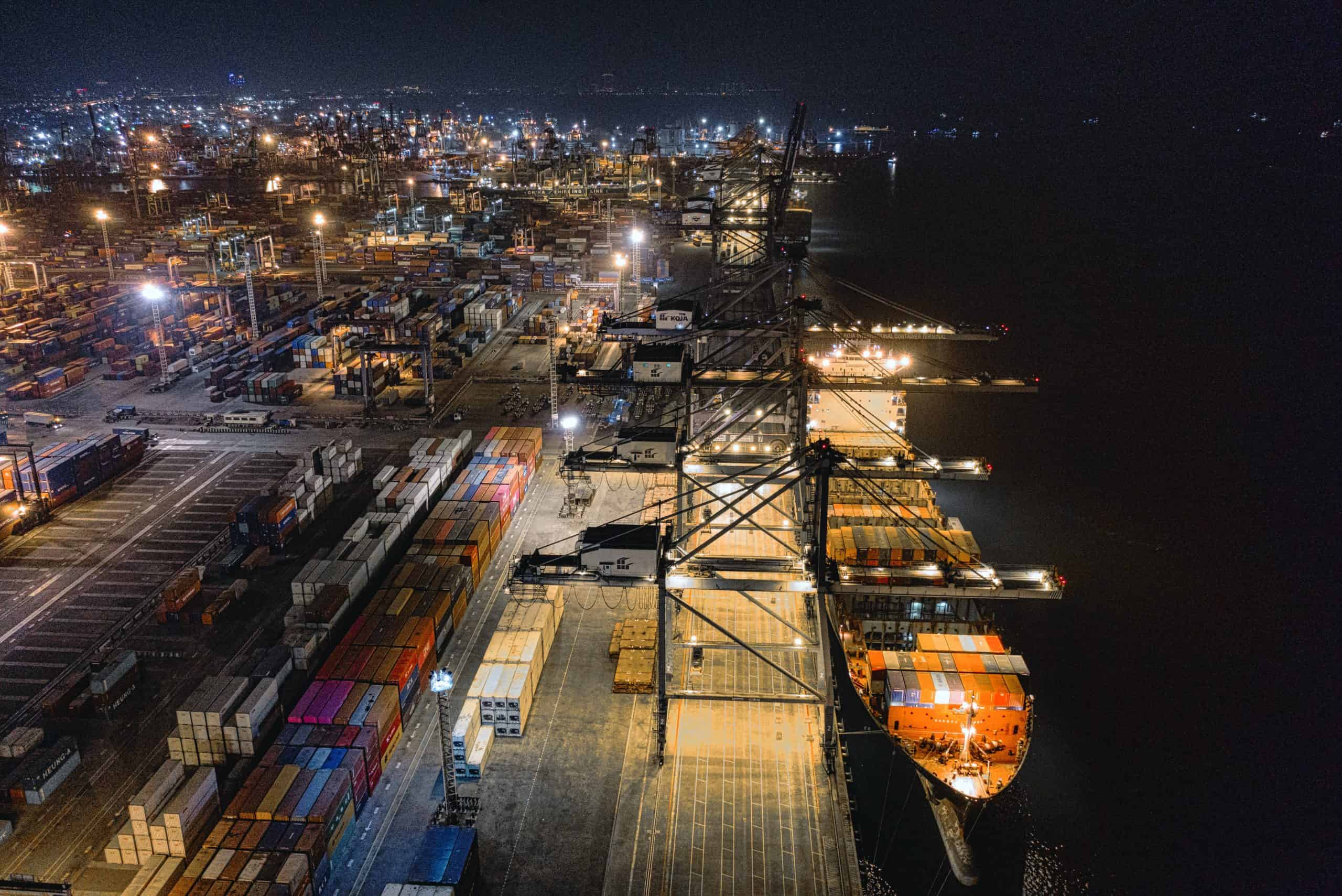
What is the difference between imports and exports? This is a question that many people do not know the answer to, so in this blog post we will be exploring the ins and outs of imports and exports. Specifically, we will be looking at what each term means, how they are different, the benefits and how they are related. Imports and exports are a major part of how countries grow by providing them with things that other countries may be able to provide more easily or at an affordable price. Unfortunately, there are also drawbacks and consequences when it comes to global trade. So if you want to learn more about imports and exports, read on!
What are imports and exports?
In economics, imports and exports are the terms used for the movement of goods and services into and out of a country. Imports are goods and services brought into a country, while exports are goods and services sent out of a country. For example, Australia's main imports include passenger cars, medicaments, crude petroleum oil; while its main exports include coal/ lignite, gold dore bars (unwrought), fruits & nuts (fresh).
Why do countries trade with each other?
Countries trade with each other because it benefits both parties involved. By exchanging goods and services, countries can get access to things they wouldn't be able to produce themselves, and they can also sell things they do produce in order to make a profit. For example, Australia might trade coal with China in exchange for cars.
How does trading affect the economy?
When a country is engaging in trade with another, this helps to stimulate the economy as it creates jobs and increases exports. For example, if Australia were importing cars from China, then jobs would be created for those who make the cars as well as those who sell them after they have been imported to Australia.
What is the balance of trade?
The balance of trade, or net exports, is a concept in macroeconomics which refers to a country's total exports minus its total imports. This number is an important economic indicator as large imbalances between imports and exports can indicate that a country may be under economic pressure. For example, if Australia has a strong economy then it would have high levels of exports and low levels of imports as more people would be buying Australian products than foreign ones. Conversely, if there are more imports coming into Australia than exports leaving it, this means Australians are buying more abroad than foreigners are buying from Australian companies domestically. When this happens, jobs will likely be lost in the long run because less people will
What are tariffs?
A tariff is a tax that's imposed on foreign goods and services when they're brought into a country – similar to how we might pay GST (Goods and Services Tax) or duty on items we bring into Australia from overseas. However, these days countries usually avoid imposing tariffs because it just becomes too complicated and difficult to keep track of which goods should be charged at what level of tariff tax.
How do tariffs affect the economy?
Taxes on imports and exports can reduce trade flows between countries and cause imbalances in supply and demand which can lead to economic problems. For example, tariffs might lead to higher prices for consumers as businesses see less competition from abroad and therefore don't feel the need to keep prices low. Similarly, they can also lead to job losses as there will be less demand for local goods and services as more people import them rather than buying them domestically. Additionally, as mentioned previously it makes it
Pros and cons of importing and exporting
There are both pros and cons to importing goods and services. The main pro is that it gives countries access to things they wouldn't be able to produce themselves, which can help to stimulate the economy. Additionally, it can also lead to price reductions for consumers as competition between businesses increases.
The main con of importing is that it can lead to a country becoming too reliant on foreign sources for goods, which could leave them vulnerable if something were to happen to those relationships. Additionally, when a country imports more than it exports, this can lead to job losses in the long run as there's less demand for local goods and services.
The benefits of global trade
Overall, global trade has been beneficial for the world economy as it has helped to increase prosperity and reduce poverty. By giving countries access to a wider range of goods and services, it has allowed them to specialise in the production of certain items which they do well, which in turn boosts their economy. Additionally, it has also driven down the cost of goods and services as businesses have been able to source them from all over the world. This increased competition has led to improved quality and innovation.
The challenges of global trade
While global trade has brought many benefits, it hasn't been without its challenges. One of the main challenges is that not everyone has benefited equally from it – in fact, studies show that inequality between countries has actually increased in recent decades. Additionally, global trade has also led to the loss of jobs in some countries as businesses have relocated to where labor is cheaper. This has been particularly challenging for developed countries that have seen a lot of manufacturing jobs move overseas. Finally, global trade can also lead to increased environmental degradation as companies seek to produce goods at the lowest possible cost.
The future of global trade
It's difficult to predict what the future of global trade will look like, but there are a few things that we can be sure of. Firstly, it's likely that we'll see more countries engaging in global trade as they become increasingly connected through technology. Additionally, we're likely to see a shift towards services being traded rather than goods, as this is a sector that is growing much faster. Finally, we're likely to see increased regulation of global trade as countries become more concerned about the negative impacts it has on them.
The benefits of importing and exporting are clear. Global trade has helped many countries improve their economies, but it also comes with some challenges. If we work together, there is potential for increased global cooperation that will benefit us all economically. You can help by educating yourself about these issues so you can make informed choices when discussing international trade policies with your friends and family members who hold different opinions than you do. Together we can create change for future generations by embracing globalization through open-mindedness and understanding.
Share this post
Help others discover this content
ImportDoor — The #1 Source for Bill of Lading Data
Access millions of verified US customs records, track suppliers, discover competitors, and make smarter sourcing decisions. Trusted by importers, exporters, and researchers worldwide.
Join thousands of businesses using ImportDoor to find suppliers and verify shipment data.